


You want a system that delivers the best results for your project. When comparing the Modular Brace Stage VS Quick Locking Stage, it's clear that efficiency, safety, and adaptability are crucial factors. Selecting the right scaffolding or stage system can enhance the safety and speed of your work. The Department of Safety and Health reports that numerous construction accidents occur due to unsafe scaffolding. Falls from scaffolds lead to many injuries and fatalities. Therefore, you should always opt for a system that suits your project and ensures the safety of your team.
Key Takeaways
-
Pick modular brace stages for heavy things and tricky setups. They give strong help and can be changed easily.
-
Quick locking stages work best for fast builds and easy jobs. They let you work faster and need less people.
-
Always put safety first by looking at scaffolding parts before using them. This stops accidents and keeps things steady.
-
Think about what your project needs. Choose the right scaffolding for the job size, how much weight it holds, and how fast you need to build.
-
Look at the price and how long it will last. Modular stages cost more at first but stay good longer. Quick locking stages cost less for short jobs.
Modular Brace Stage and Quick Locking Stage Overview
Modular Brace Stage Explained
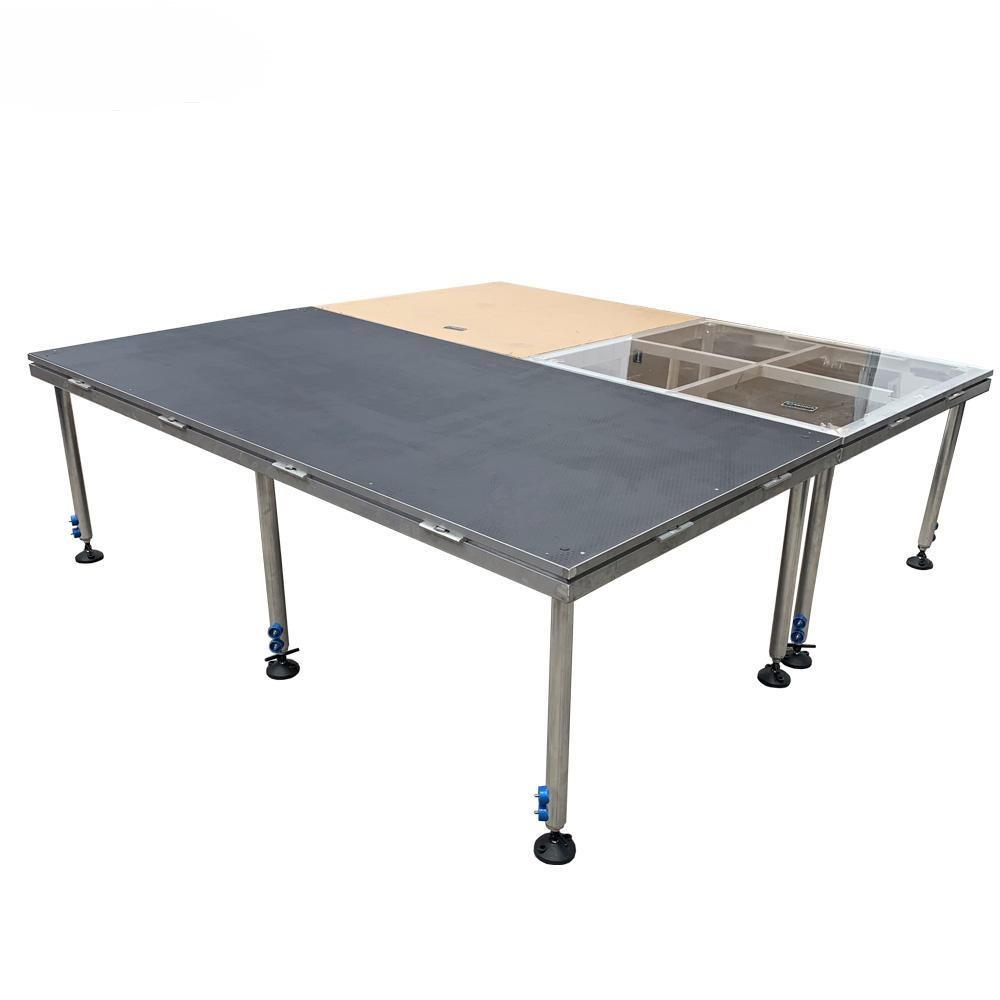
You will find modular brace stages at many building sites. This system uses strong parts and braces to make a solid platform. You can build different shapes and sizes with this scaffolding. Modular brace stages include systems like Ringlock and Cuplock. These systems let you put up scaffolding fast and safely. You do not need special tools to connect the pieces. Modular scaffolding works for heavy things and tricky structures.
Tip: Modular brace stages are great when you need to hold a lot of weight and want more options.
Here is a table that shows how Ringlock and Cuplock are different:
|
Feature |
Ringlock Scaffolding |
Cuplock Scaffolding |
|---|---|---|
|
Modular Design |
Easy to change for hard shapes |
Good for straight lines |
|
Quick Assembly |
Simple to put together without tools |
Fast to set up with fewer parts |
|
Load Capacity |
Can hold a lot of weight |
Strong but holds less than Ringlock |
|
Stability |
Has many ways to connect for strength |
Locks in place for safety |
Quick Locking Stage Explained
Quick locking stages use a simple way to lock parts. You can set up this system very fast. You do not need many pieces or tools. This scaffolding is good for jobs that need to be done quickly. Quick locking stages are best for lighter things and straight lines. You may not get as many choices as with modular brace stages.
Typical Scaffolding Applications
You can use different scaffolding for many kinds of work. Modular brace stages are good for big jobs, bridges, and events. Quick locking stages are better for small jobs, repairs, and short projects. You should pick the system that fits your job.
Here is a table that compares how easy they are to use, how much weight they hold, and how fast you can build them:
|
Feature |
Tubular Scaffolding |
Modular Scaffolding |
|---|---|---|
|
Flexibility |
Can change to any shape or size |
Only works with set shapes |
|
Speed of Assembly |
Takes a long time and hard work |
Quicker and easier to build |
|
Load Capacity |
Holds less weight |
Holds more weight because it is strong and braced |
You can see that modular scaffolding is stronger and faster to build. Quick locking stages save time but may not hold heavy things.
Feature Comparison: Modular Brace Stage vs Quick Locking Stage
Flexibility and Adaptability
You need scaffolding that fits your project well. Modular brace stages let you make many shapes and sizes. You can change the setup for hard layouts. Cuplock scaffolding lets you join many ledgers at one spot. This helps you build special structures. Quick locking stages, like Kwikstage, are fast to set up. But you cannot change their design much. You have less freedom with quick locking stages.
-
Modular brace stages are easy to change for tricky layouts.
-
Quick locking stages are fast but not flexible in design.
-
Cuplock scaffolding is good for hard setups.
Pick modular brace stages if your project needs special shapes or changes often.
Speed of Assembly
You want to finish your work on time. Quick lock portable aluminum concert stages help you build very fast. You do not need many tools or skilled workers. Quick-lock parts and ready-made connections save time. You can put up and take down these systems quickly. Modular scaffolding kits also help you work faster. Quick locking stages make building about 40% faster. This helps you meet deadlines and saves money on workers.
-
Fast setup and takedown are important for tight schedules.
-
Quick locking stages need fewer workers.
-
Faster building means less mess and better teamwork.
If you need to finish quickly, quick locking stages work best.
Safety and Stability
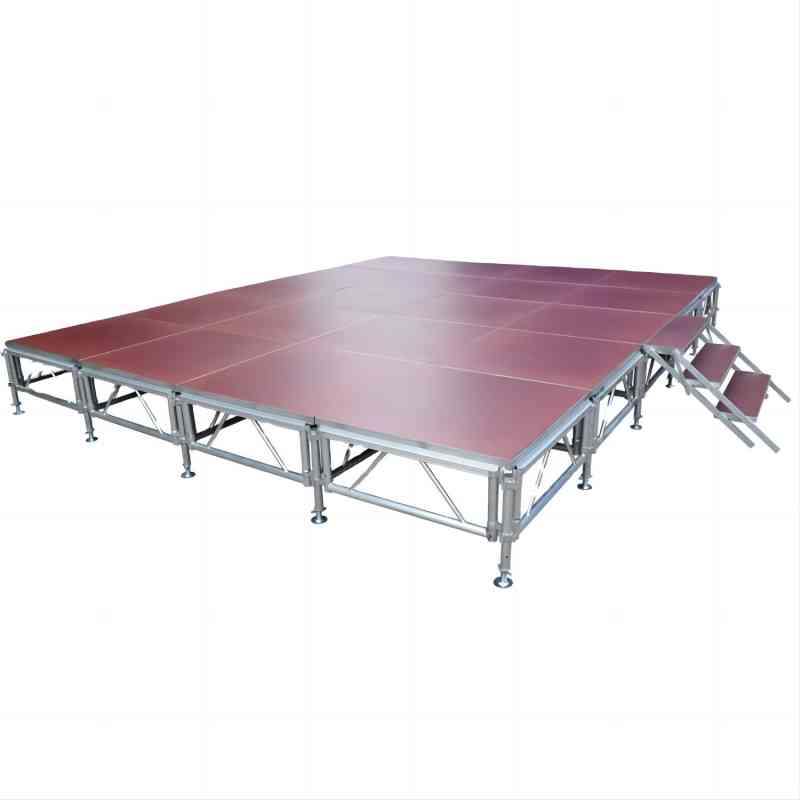
Safety is always important for your team. Both systems have strong safety features. Modular brace stages use X-brace parts to stop shaking. These braces keep the platform steady. Quick locking stages use triangle supports to stop side movement. Both systems give a safe place for heavy gear and busy events.
|
Feature |
Modular Brace Stages |
Quick Locking Stages |
|---|---|---|
|
Load Capacity |
Holds up to 500 kg evenly |
Gives a safe, steady surface for heavy gear |
|
Stability Mechanism |
X-brace stops shaking and bending |
Triangle support stops side movement |
|
Application |
Good for busy event spaces |
Best for active group shows |
Always check the safety locks before you use the scaffolding. This keeps everyone safe and the system steady.
Load Capacity
You need to know how much weight your scaffolding can hold. Modular brace stages can hold heavy loads and hard setups. Quick locking stages are better for lighter jobs. A 4-leg Kwikstage scaffold tower can hold up to 367 KN. One Kwikstage scaffold leg can hold 67.499 KN. Modular brace stages can hold more weight because of their strong braces.
|
Stage Type |
Maximum Load Capacity |
|---|---|
|
4 Legs Kwikstage Scaffold Tower |
367 KN |
|
Single Kwikstage Scaffold Leg |
67.499 KN |
Pick modular brace stages for heavy jobs.
Durability and Maintenance
You want your scaffolding to last a long time. Both systems work well and last long. Modular brace stages use strong parts and tight connections. They do not wear out fast. You can use them for many jobs with little fixing. Quick locking stages have fewer parts, so they are easy to check and fix. You spend less time fixing them. Both systems last long if you take care of them.
Tip: Clean and check your scaffolding after each job. This keeps it safe and ready for next time.
Pick the system that matches how often you use it and how much care you want to give.
Practical Considerations for Scaffolding Projects
Project Type and Requirements
You need to think about your project before picking scaffolding. Construction sites need strong platforms for heavy tools. Event projects need fast setup and easy changes. Check the size, shape, and height of your project. Modular scaffolding lets you build tricky layouts. Quick locking stages are good for simple jobs. Always think about worker safety and dangers. OSHA rules help keep your team safe. You must follow safety rules for every project.
Note: Always check how much weight and stability your project needs. This helps you stop accidents and keeps your scaffolding safe.
Budget and ROI
You want a solution that saves money for your project. Modular scaffolding costs more at first, but lasts longer. You can use the parts again for many jobs. Quick locking stages save money for short projects. You spend less on setup and workers. Look at the total cost, not just the price of materials. Good scaffolding helps you stay on budget and get more value. You must follow rules to avoid fines and extra costs.
|
Scaffolding Type |
Initial Cost |
Long-Term Value |
Cost Savings |
|---|---|---|---|
|
Modular Brace Stage |
High |
Strong |
Medium |
|
Quick Locking Stage |
Low |
Medium |
High |
Frequency of Repositioning
Some projects need you to move scaffolding often. Construction jobs with changing layouts need modularity. Modular scaffolding lets you change setups quickly. Quick locking stages help you move fast for small jobs. You save time when you set up and take down. Check how often you need to move your scaffolding. This helps you pick the best system for your project. Following OSHA rules keeps your team safe every time you move.
Tip: Plan your setup steps to stop accidents and keep workers safe.
Choosing the Best Option for Safety and Results
Strengths and Weaknesses
You want your project to go well, so you should know what each system does best and where it is not as good. Modular brace stages give strong support and let you change how you build things. You can use them for hard shapes and heavy things. These stages are good for tall buildings, bridges, and event platforms. They keep your team safe and steady, even when the design is hard.
Quick locking stages help you finish work fast. You can set them up quickly and move them without trouble. These stages are best for easy jobs and short projects. You save time and money when you use them for repairs or small events. But you cannot change the design much, and they may not hold heavy things as well as modular brace stages.
Here is a table that shows what is good and bad about quick locking stages in tough construction jobs:
|
Advantages |
Disadvantages |
|---|---|
|
Makes work zones safer and costs less |
Needs more help from agencies |
|
Helps finish the project faster |
Can make building cost more |
|
Keeps workers safe in the work zone |
Talking with others can be hard |
|
Makes contractors work better |
Can cause problems between groups |
|
Lets you start important parts sooner |
Needs extra planning |
|
Gives better control over project speed |
Some rules may not allow it |
|
Lowers checking and traffic control costs |
|
You can see that quick locking stages help you finish faster and keep workers safe. But you need to plan more and sometimes spend more money. For hard or heavy jobs, modular brace stages give better support and more ways to build.
You now know that modular brace stages work best for heavy loads and complex layouts. Quick locking stages help you finish simple jobs fast. When you choose a scaffolding system, focus on these points:
-
Follow safety rules like the UAE Fire and Life Safety Code.
-
Pick systems that save time and reduce labor.
-
Look for solutions that let you change setups easily.
You should review your project needs and check which system fits your goals.
FAQ
What is the main difference between modular brace stage and quick locking stage?
You can change modular brace stage setups for many shapes. Quick locking stage lets you build faster but works best for simple layouts. Both types help you finish your scaffolding project safely.
Which scaffolding system should I use for heavy loads?
You should use modular brace stage for heavy loads. This system gives strong support and holds more weight. Quick locking stage works better for lighter jobs.
How do I choose the best scaffolding solutions for my project?
You need to check your project size, weight needs, and how fast you must finish. Modular brace stage fits complex jobs. Quick locking stage helps with quick setups. Always follow safety rules.
Can I reuse scaffolding parts for different projects?
You can reuse modular brace stage parts for many projects. These parts last longer and fit many layouts. Quick locking stage parts work best for short or simple jobs.


